Before the Aston BSc, there was a Foundation Degree in Logistics Management with the University of Lincoln. I completed it in 2018 through work-based learning while serving as the Logistics Specialist at a high-readiness Royal Navy unit. Its centrepiece was a capstone module called Work Based Logistics Project, which required a real organisational problem to be managed as a formal project and not simply written up as a case study. The problem chosen was one the unit was living with daily.
A Foundation Degree Built Around the Unit
From December 2016 my role at the unit was to advise Command on all logistics matters. The unit is organised across several subordinate elements, held at high readiness to counter mine and explosive threats worldwide. The capstone module asked students to identify a genuine problem inside their own workplace and run it through a full project lifecycle: initiation, risk management, stakeholder analysis, phased delivery and a final progress evaluation. It was marked against Masters-adjacent academic criteria despite sitting within a Foundation Degree. A high-readiness unit with a small logistics footprint was not short of genuine problems to choose from.
What Left the Building
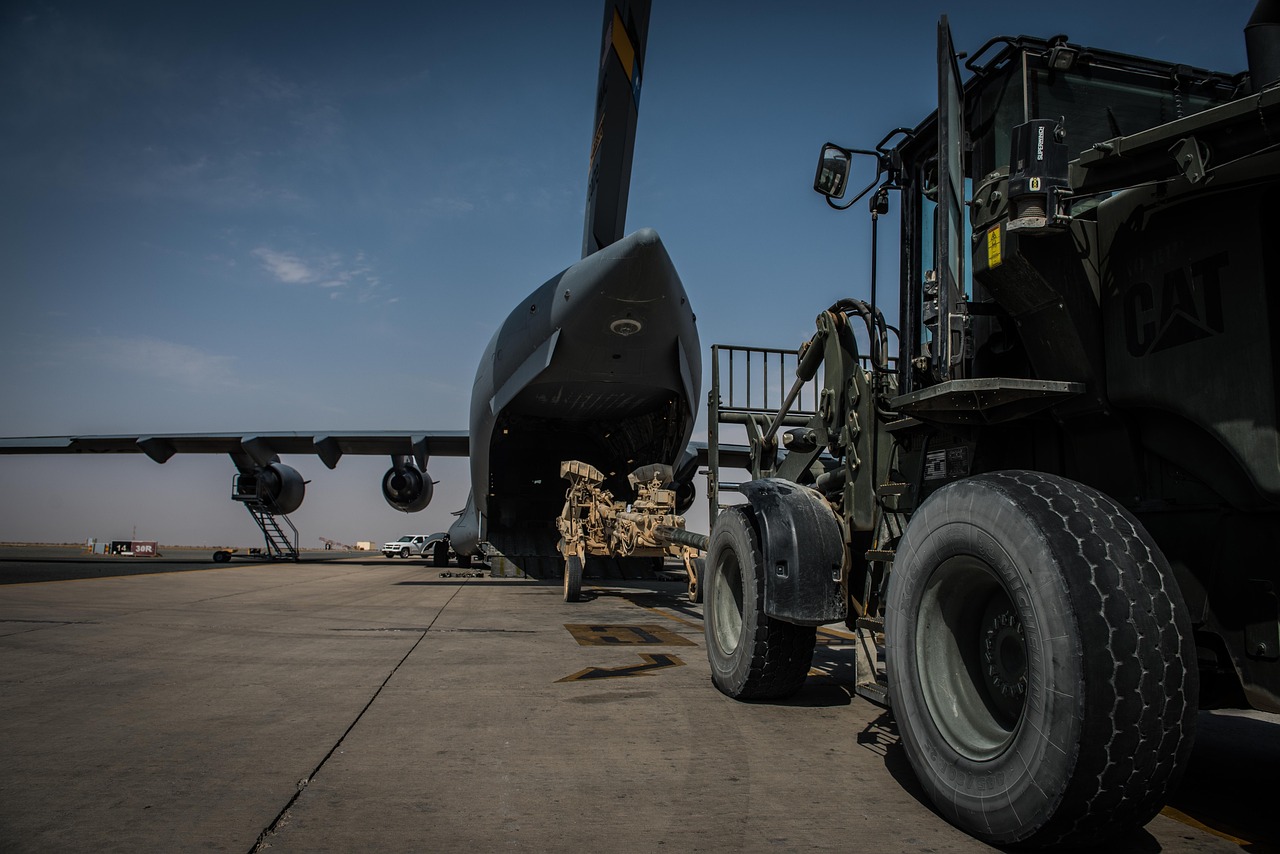
The unit had a legal obligation under HMRC's Project Waterguard to consign every piece of equipment leaving or re-entering the UK for exercises and deployments. The unit had no consignment-tracking hardware or software of its own to do this, relying on manual procedures and on external units to produce the paperwork, with a single supply chain individual coordinating the whole process. A failure to comply carried financial liability. A failure to produce documentation on time carried the risk of a cancelled exercise.
The recommendation was to install VITALS, the Ministry of Defence's Visibility In Tracking Assets Logistics System, giving the unit its own consignment-tracking capability and ending its dependence on units outside the building. That meant the unit would no longer wait on someone else's paperwork to move its own equipment, and it would own the compliance record too. VITALS was already a Ministry of Defence system, which meant no new procurement case was needed, only the case for installing it here. That case still had to be made against the unit's actual constraints, not assumed.
Structured as a PRINCE2 Project
The project was structured using PRINCE2, the same methodology I would later apply again in defence and industry contexts. A Project Initiation Document set out scope, deliverables and interfaces with the Defence Logistics Framework. SWOT and PESTLE analyses grounded the case in the unit's actual constraints: a strong technical workforce and physical infrastructure set against a shortage of logistics personnel, IT hardware and a formal movements structure. A risk register tracked technical, planning and relationship risks through to closure, with contingency funding set aside for delays.
Delivery ran across four phases: installing the VITALS hardware and software in August, training staff through September and into October, fitting the supporting printers and calibrated scales. The whole system was then tested live on Exercise Open Spirit in Latvia that October. The same capability went on to support Exercise Sea Breeze in Ukraine, Exercise Northern Challenge and Exercise Joint Warrior, the recurring exercise cycle the unit depends on to stay deployable. A system that only worked once, on the exercise it was built for, would have stayed a proof of concept. It became a working capability only by being carried across three further exercises.
4 phases · 4 exercises · 1 legal obligation
A PRINCE2-managed system delivery against a live HMRC consignment-tracking requirement, tested on Exercise Open Spirit within the year and carried forward across three further multinational exercises
What Carried Forward
What carried forward was the method. The project was PRINCE2 delivery run against a live regulatory compliance obligation, with structured risk management, phased delivery and evidence built into the process from the start. Compliance-systems, third-party risk-tooling and trade-documentation roles in industry tend to be built around that combination.
References
- James, K. (2017). Work Based Logistics Project: Project Management Report. Assessment Two, Module 2009M, FdSc Logistics Management, University of Lincoln.
- Murray, A., Bennett, N. and Bentley, C. (2009). Managing Successful Projects with PRINCE2. 5th ed. London: TSO.
- Ministry of Defence (2015). JSP 800 Volume 3: Movements. London: Joint Service Publications.
- CGI, "CGI and MOD WATERGUARD Export Controls," case study describing the Defence Equipment and Support programme ensuring compliance with HMRC requirements for the export and re-import of military equipment.
The views expressed here are my own. They draw only on published sources and my own academic records and do not represent the position of the Royal Navy, the Ministry of Defence, the University of Lincoln or any organisation with which I work. Nothing published here reproduces any organisation's internal policy, procedure or assurance output, and no personal or identifying detail from any serving individual is reproduced here.